

The Uniform as Part of Logistics Operation
In logistics and transport operations in Peru, every detail counts.
The uniform is not an accessory. It is a work tool.
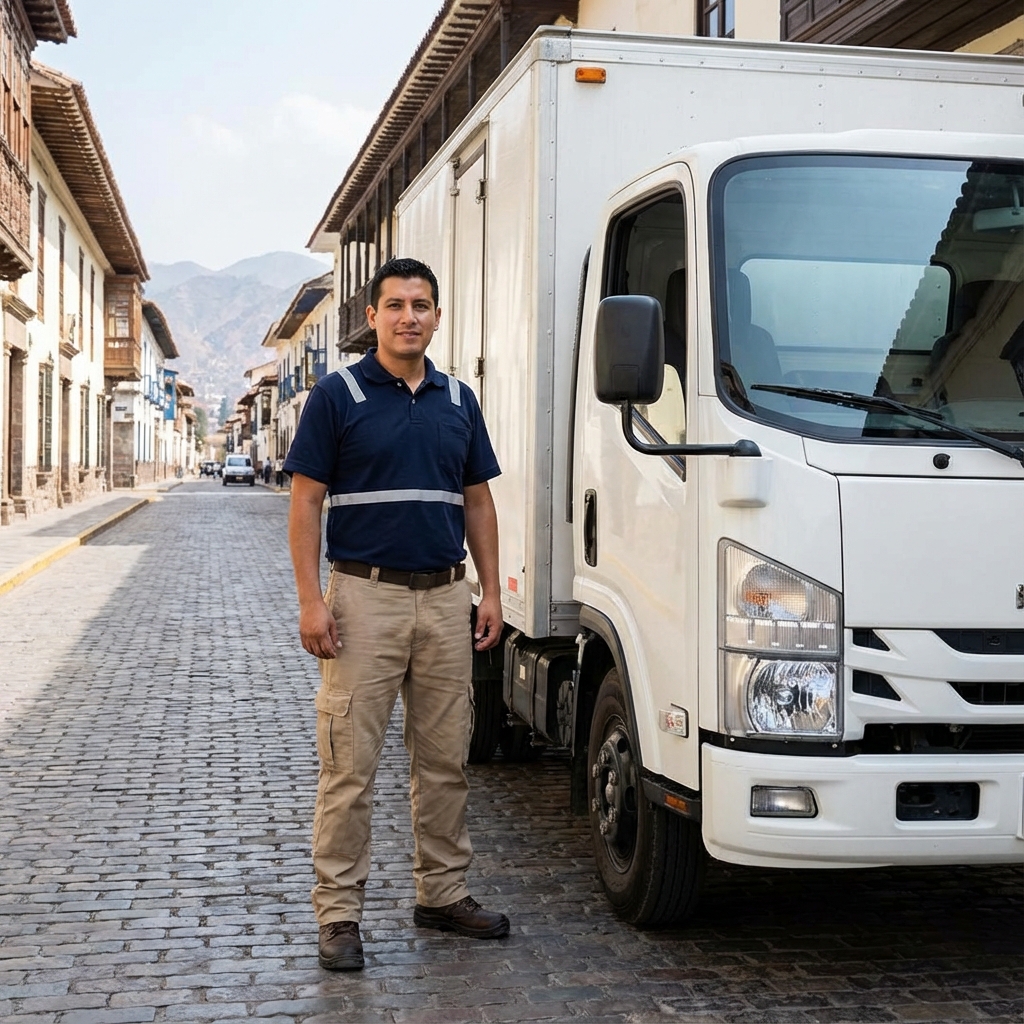
According to current regulations in Peru, a well-designed uniform for this sector must fulfill multiple functions:
- Immediate Identification of personnel in warehouses and routes
- Visibility and Safety in operational areas
- Corporate Image to end customers
- Operational Comfort for extensive shifts
Companies that standardize their clothing project professionalism and control.

Materials Designed for Operational Use
Logistics operators don't work in offices.
They load, unload, drive, walk for hours.
Therefore, garments must withstand real conditions of use.
Key Technical Factors:
- Resistant Fabrics: Drill, gabardine, or reinforced blends for trousers
- Reflective Tapes: Approved for visibility in warehouses and roads
- Reinforced Seams: In crotch, pockets, and tension zones
- Breathable Fabrics: For prolonged use without discomfort
- Functional Pockets: Designed for tools and devices
A uniform that withstands the operational pace reduces replacement costs.

Personnel Turnover and Supply Continuity
Logistics operations have high personnel turnover.
This demands a provider with continuous response capacity.
What a Logistics Company Should Demand:
- Permanent Stock of basic sizes
- Scheduled Deliveries according to hiring schedule
- Rapid Customization of vests and polos with logo
- Scalability in high seasons
- Verifiable History with other companies in the sector
A slow provider affects the onboarding of new staff.
What Companies Should Evaluate When Choosing a Provider in 2026
Evaluation Checklist:
- Specialized Catalog: Do they have garments designed for logistics operations?
- Reflective Tape Certification: Do they meet visibility regulations?
- Delivery Times: Can they respond to urgent orders?
- Customization: Do they offer quality embroidery and printing?
- Warranty: What happens if a garment fails prematurely?
- Direct Attention: Is there an executive assigned to your account?
- National Production: Do they manufacture in Peru or import?
The right choice is noticeable in every distribution center.
Conclusion
The uniform in logistics and transport is functionality, safety, and image.
It is not a minor expense.
It is an investment in operation and brand perception.
To see our full line, visit our Logistics & Transport uniforms section.